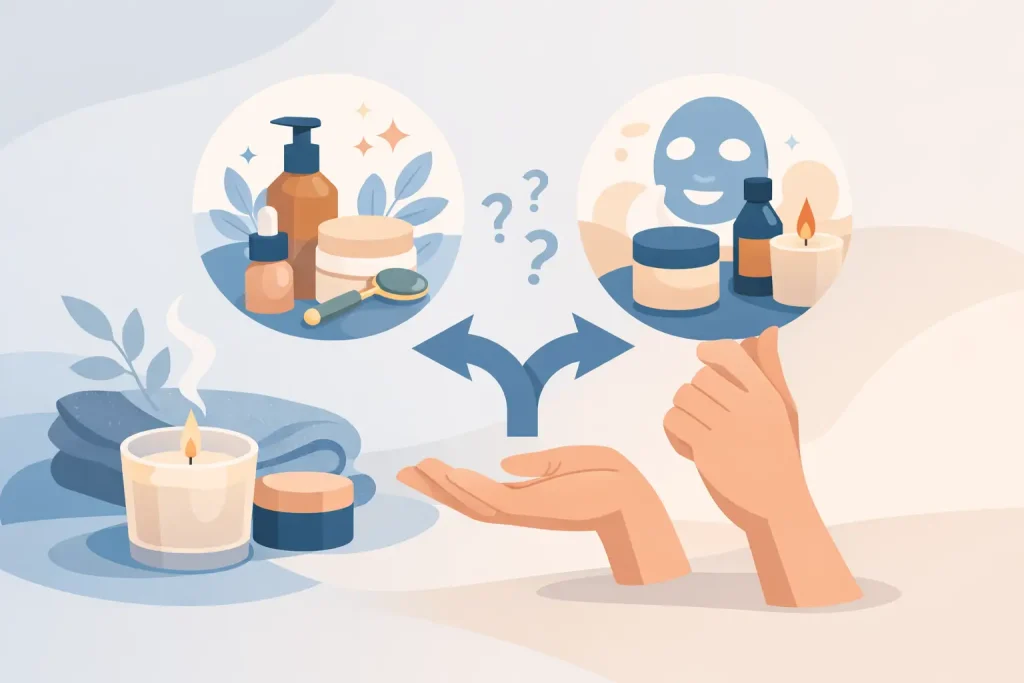
A candle lit at the same hour each evening can change the feeling of a room. So can the soft tone of a chime near an open window, the weight of a ceramic mug in both hands, or the familiar scent of oil warmed before meditation. Self care ritual products matter because they shape experience. They help turn ordinary moments into small acts of return – back to the body, back to breath, back to a quieter state of mind.
The most meaningful rituals are rarely elaborate. They are personal, repeatable, and rooted in what helps you feel grounded. That is why choosing products for self-care is less about collecting beautiful things and more about selecting objects that support presence. The right piece does not just look calming. It invites calm.
What self care ritual products are really for
A ritual product is not defined by category alone. It is defined by function and feeling. A journal can be a ritual object. So can a tuning fork, a linen robe, a bowl for incense, a tea cup, or a set of chimes hung where morning light reaches them first.
What gives these items meaning is the role they play in a repeated practice. They mark a transition. They help you move from work into rest, from mental noise into stillness, from scattered attention into intention. In that sense, self care ritual products are less about consumption and more about creating cues for the nervous system.
This is where many people get it slightly wrong. They buy for aesthetic first and ritual second. Beauty matters, especially in a home meant to restore you, but the deeper question is whether an item changes your pace. Does it ask you to slow down? Does it support a moment you want to return to? If not, it may still be lovely, but it may not become part of a true ritual.
The best self care ritual products support the senses
Ritual begins in the body. Before the mind settles, the senses often need something simple and steady to follow. That is why the most effective products tend to work through sound, scent, touch, light, and visual atmosphere.
Sound is especially powerful because it changes the quality of a space without asking much of you. A clear chime tone, a singing bowl, or a tuning fork can act as a gentle threshold between one state and another. Sound does not need interpretation. It simply enters the room and reorganizes attention. For people who struggle to meditate in silence, this can be a more natural place to begin.
Scent works differently. It creates recognition. A particular oil blend or incense can become associated with exhale, prayer, journaling, or sleep. Over time, the scent itself starts to cue relaxation. This is why consistency matters more than variety. If every evening brings a different fragrance, the ritual may feel pleasant but less anchoring.
Touch often gets overlooked, even though it is one of the fastest ways to create a sense of comfort. Natural fibers, warm ceramics, smooth stones, soft cushions, and weighted textiles can all contribute to a ritual that feels embodied rather than abstract. If a product feels harsh, flimsy, or overstimulating, it may interrupt the very state you are trying to cultivate.
Light shapes mood with equal force. The low glow of a candle or lamp can signal that the day is closing. Soft lighting creates emotional edges that feel less demanding than overhead brightness. In a ritual setting, light is not just illumination. It is atmosphere.
How to choose products with intention
The first question is not what to buy. It is what kind of support you need most right now.
If your days feel overstimulated, products that soften sensory input may be more helpful than anything highly activating. You may want gentle sound, muted tones, comforting textures, and a restrained scent profile. If your challenge is emotional heaviness or stagnation, you may respond better to products that create movement and freshness, such as brighter aromatics, clearer tones, or objects placed where air and light naturally circulate.
There is also a difference between products for daily grounding and products for occasional ceremony. Daily ritual items should be easy to use, easy to reach, and resilient enough for repetition. Ceremony pieces can be more precious, more symbolic, and more specific in purpose. Both matter, but they serve different rhythms.
Material quality deserves attention here. Premium ritual products do not need to be complicated, but they should feel considered. The finish, weight, tone, and craftsmanship all affect the experience. A poorly made object can create subtle friction. A well-made one tends to disappear into the ritual itself, allowing the moment to feel whole.
It also helps to notice whether a product asks too much of you. Some items are beautiful in theory but difficult in real life. If setup is tedious, cleanup is messy, or placement is awkward, the ritual may not endure. The most supportive products are often the ones that integrate naturally into your environment.
Creating a ritual space at home
You do not need a dedicated meditation room to build a meaningful ritual practice. A corner, a shelf, a bedside table, or a place near a window can be enough. What matters is coherence.
When objects belong together in purpose, the space begins to feel quietly intentional. A chime, a candle, a folded blanket, and a small bowl for incense can create a complete emotional language without clutter. Each piece has a role. Each one contributes to a feeling of return.
This is where restraint becomes valuable. A ritual space should not feel crowded with choices. Too many products can make the experience feel performative or unfinished, as though you are still shopping for calm instead of inhabiting it. Fewer objects, chosen well, often create a stronger sense of sanctuary.
For many homes, sound-based pieces offer something especially distinct. They are both decor and experience. They hold visual presence, but they also shift the atmosphere when engaged. This dual role is part of their appeal. A beautifully placed chime does not just sit in the room. It participates in it. For a brand like Sakral Chimes, that connection between sacred sound and daily environment feels central to what a ritual object can be.
A few trade-offs worth considering
Not every calming product works for every person. This is where personal sensitivity matters.
Scented products can be comforting, but some people find fragrance overwhelming or distracting. Sound tools can feel centering, but only if the tone resonates with your space and nervous system. Even candles, often treated as universally soothing, may not fit a routine if you want something low-maintenance or if you share your home with children or pets.
There is also a trade-off between symbolism and utility. Some products carry deep spiritual meaning but may not become part of daily life. Others are simple and practical, yet deeply effective because they are used consistently. Ideally, a ritual product offers both resonance and function, but if you must choose, function often builds the stronger practice.
Price is another consideration. Higher-quality materials and craftsmanship often do create a better sensory experience. Still, meaning does not depend on luxury alone. A modest object used with care can become sacred through repetition. What matters most is not impressiveness. It is relationship.
Let your rituals evolve
Many people assume they need one perfect routine, but rituals tend to change with season, energy, and need. Winter may call for heavier textures, lower light, and slower sound. Spring may invite clearer air, brighter scent, and more openness. During stressful periods, you may want products that require very little effort. During reflective periods, you may be drawn to objects with more symbolism or ceremony.
This is why it helps to think of your ritual collection as living rather than fixed. Not every object needs to be used every day. Some will become daily anchors. Others will return when the moment is right.
The most beautiful self-care rituals are not assembled to look a certain way. They are built from honest attention. They reflect how you want to feel in your home, in your body, and in your inner life.
If you are choosing self care ritual products, begin with that feeling. Let beauty support it. Let sound deepen it. Let texture, light, and scent gently hold it in place. A good ritual object will not ask you to become someone else. It will help you come back to yourself, one quiet moment at a time.